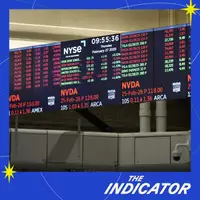
This indicator hasn’t flashed this red since the dot-com bubble
The “Shiller PE Ratio” is at its highest level since November of 1999. That was at the peak of the online gold rush right before the dot com bubble burst in 2000.
Archive
300 episodes Aug 14, 2025 – Oct 13, 2026
Every indicator we’ve published, newest first. Search by topic, filter by year, or scroll until something makes you say huh.
The “Shiller PE Ratio” is at its highest level since November of 1999. That was at the peak of the online gold rush right before the dot com bubble burst in 2000.
Russia’s been subject to more than 5,000 sanctions since its invasion of Ukraine. Yet many purported allies of Ukraine are still getting Russian oil — directly or indirectly.
Last month, the Trump administration asked Apple to remove an app from its App Store that crowdsourced sightings of Immigration and Customs Enforcement agents.
Companies are starting to use AI to interview potential employees. Sound creepy? Well, a new study suggests it might not be all bad..
It’s … Indicators of the…Eek! (Indicators of the Week.) Our regular look at some of the most fascinating economic numbers from the news.
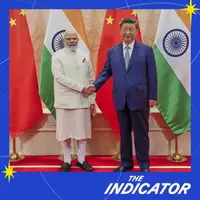
China and India have a long, complicated history. Just a few years ago, there was a spate of armed skirmishes between the two nations.
Health insurance subsidies are at the center of the current government shutdown. Democrats want to extend some expiring Affordable Care Act/Obamacare subsidies.
Republican politicians like to use the term ‘Marxist’ to criticize Democrats. Lately, they’ve dubbed New York City mayoral candidate a ‘Marxist’ despite him identifying himself as…
It’s hard for young tech workers to find a job, even with the AI buildout bonanza. This has spawned a curious worldview that fears AI is coming for our jobs and a drive to be at…
It’s … Indicators of the Week! Our weekly look at some of the most fascinating economic numbers from the news.
Ticketmaster's CEO says that concert tickets are underpriced. But from inflation to bots to unscrupulous resellers, the market for tickets feels out of control to many fans.
In the rush to power AI, data centers are popping up in small communities across the U.S. But a growing backlash against this build-out is pitting communities against developers…
Quarterly earnings reports are a long-standing requirement for public companies in the U.S. But the Trump administration wants to axe quarterly releases and just release them twice…
Since 2020, the cost of veterinary care has increased about 40%—almost twice the rate of inflation. As a result, many pet owners say they've skipped necessary vet care.
It’s … Indicators of the Week! Our weekly look at some of the most fascinating economic numbers from the news.
There have been many headline-grabbing AI deals recently: Nvidia investing up to $100 billion in OpenAI. OpenAI promising to buy $300 billion worth of computing power from Oracle.
From drones to body armor to bulletproof whiteboards, companies are offering schools a multitude of products to try to deter or protect against the next school shooting.
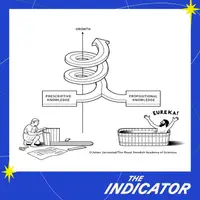
For most of human history, economic growth was, well, pretty bleak. But around the Enlightenment, things started clicking.
As Vice Week wraps up here at The Indicator, we wanted to take a slightly different perspective on the evolving business of crime and take a look at TRUE crime. As in the genre.
Market manipulation is an age-old issue. People trying to make money off unsuspecting investors by artificially influencing the price of a stock, say.
The Sinaloa Cartel made the bulk of its money on cocaine. But cartels are diversifying into new operations including things like wildlife trafficking.
It may seem like data breaches have gotten a heck of a lot more common. Well, there’s something to that.
With only several seconds of audio, someone can clone a victim’s voice, call their bank, and potentially get access to … everything.
Crime doesn’t resemble the old days. A deepfake of your voice can be used to convince a relative you need money. AI bots are capable of colluding in financial markets.